
Portfolio · Extreme climate
Extreme Climate Capsule
High-latitude additive construction
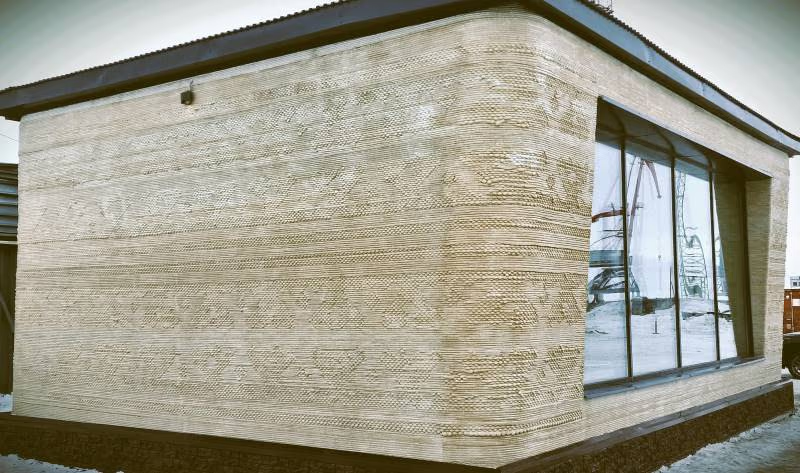
A 3D-printed recreational rest capsule completed in 2023 at ~66°N latitude — built to give personnel a warm interior overlooking a waterfront industrial site in conditions where conventional construction seasons are severely compressed.
Architectural design and construction 3D printing by 3D4Art. The project validated printable mix design, winter enclosure logistics, and complex geometry execution at ambient temperatures down to –54°C.
Architectural design and construction 3D printing: 3D4Art
- 80 m²total floor area
- –54°Cminimum ambient
- 0.7 mwall thickness
Concept
A rest capsule where winter never stops the schedule
The brief called for a recreational building at high latitude — a pier-side rest capsule with an 80 m² floor plan, 4.5 m wall height, and a panoramic view from a five-meter printed sofa.
Construction ran from September 2022 through March 2023. The project became a reference for how additive concrete can stay productive when ambient temperatures swing from 0°C to –54°C.
Key project facts
- 01High-latitude site
- Additive construction at ~66°N — beyond typical seasonal construction windows.
- 02Rest capsule
- 80 m² recreational volume for short-stay comfort at a pier-side location.
- 03Thermos wall system
- Printed high-strength concrete shell filled with lightweight foam concrete for structure and insulation.
- 0416 × 18 × 8 m shelter
- Temporary climate-controlled enclosure erected to finish printing through winter.
- 05Complex geometry
- Outward-sloping walls, tapering sections, ornaments, and a 7 m panoramic window beam.
- 06Printed interiors
- Bar counter and a five-meter sofa base produced with the same additive workflow.
Architecture
Geometry, ornament, and a seven-meter window beam
The design combines outward-sloping walls (up to 0.5 m of projection), tapering sections with significant inward layer offset, embedded electrical conduits, and decorative ornaments, inscriptions, and logos printed directly into the shell.
A 7 m panoramic window beam demanded non-standard structural nodes, insulation layers, and load calculations beyond typical printed wall logic.
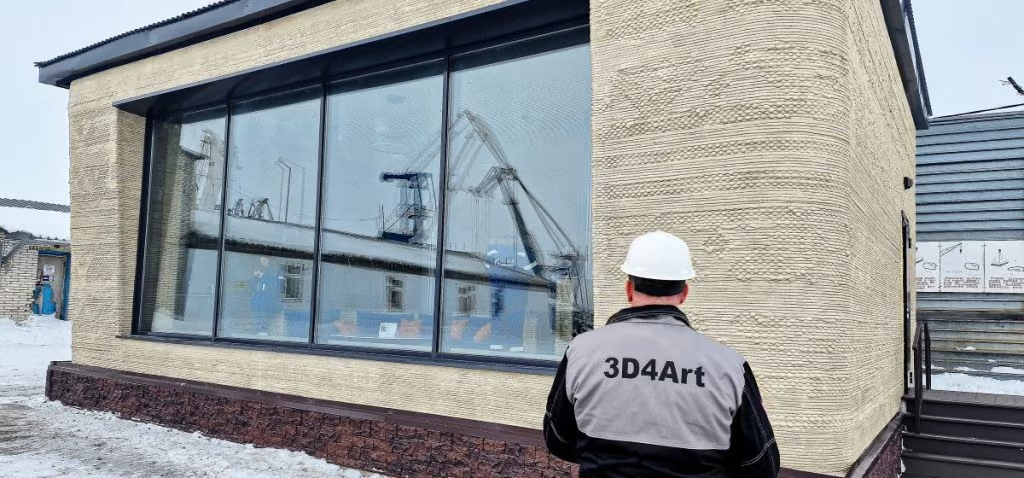
Panoramic window beam
3D printing
Printing through autumn cold and winter shelter
Initial wall printing reached 3.5 m within one week at near-freezing ambient temperatures. As deeper cold arrived, the team erected a 16 × 18 × 8 m temporary shelter with infrared and diesel heat, water heating, material warming zones, and wash-down areas for equipment.
Frost heave shifted unsecured printer uprights by more than 50 mm vertically and horizontally — corrected in the field so printing could continue without visible geometric error. Equipment failures, power outages, and frozen batching systems were managed within the same winter window.
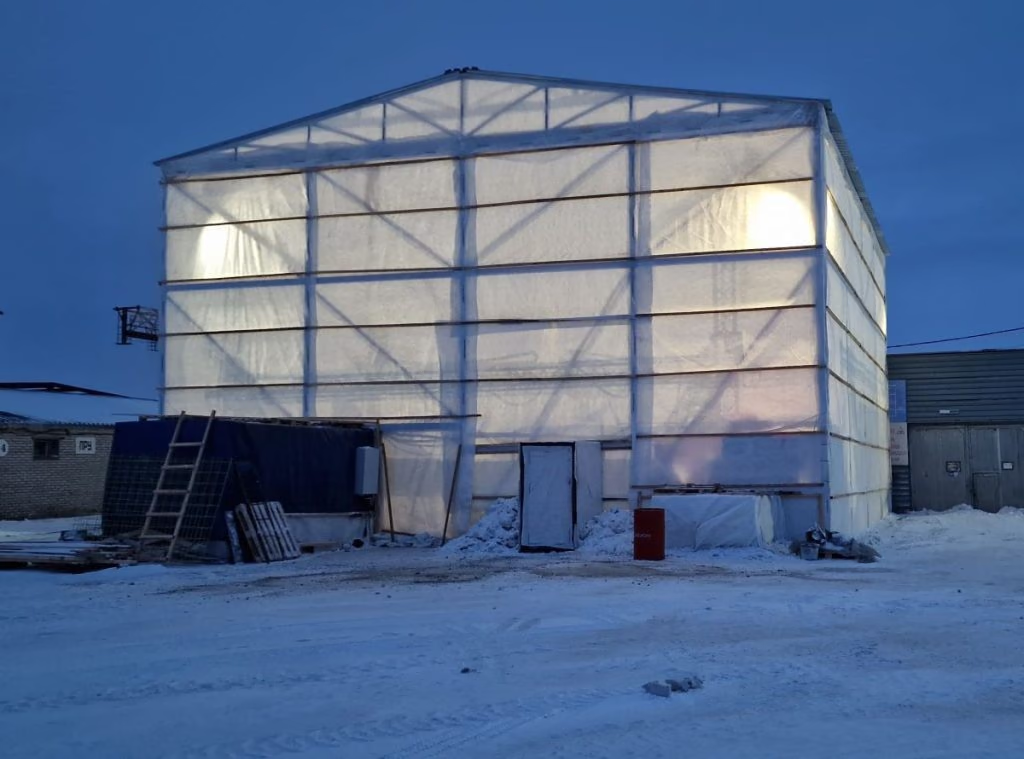
Winter enclosure
Envelope
Thermos walls and printed interior elements
Exterior walls use a thermos principle: a monolithic printed concrete formwork shell filled with lightweight foam concrete — 0.7 m total thickness balancing structural strength and insulation.
Part of the interior was also additively produced, including a printed bar counter and a five-meter sofa base. The completed envelope maintains comfortable temperatures in spring and autumn without active heating, thanks to high thermal mass.
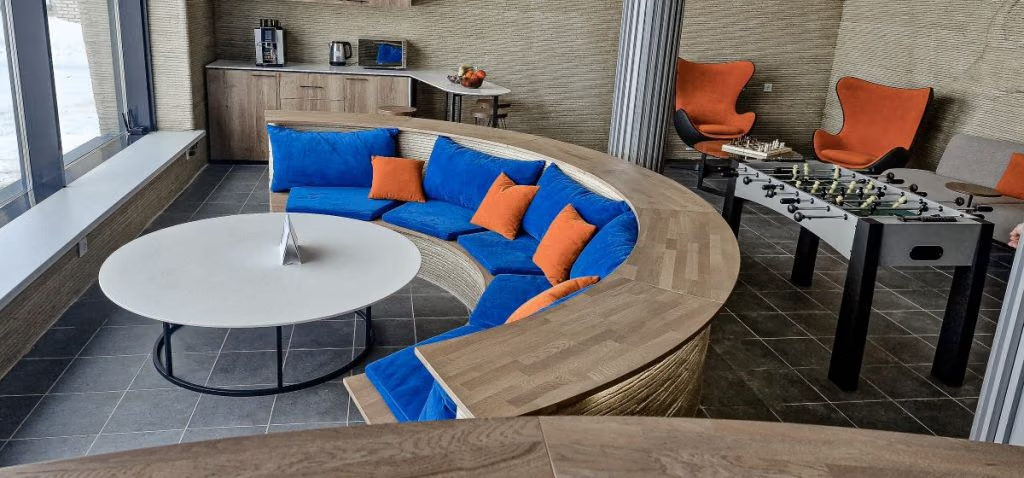
Envelope performance
- Wall height: 4.5 m · total thickness: 0.7 m
- Printed high-strength concrete shell with foam-concrete infill
- Electrical conduits embedded inside printed walls
- Printed bar counter and 5 m sofa base
- Delivered ~1.5× faster and ~30% more cost-effective than conventional methods for this scope
What the climate capsule established
- 01
Construction 3D printing can execute complex geometry at high latitude when mix, shelter, and logistics are engineered as one system
- 02
A thermos-style printed shell with foam fill delivers usable thermal performance in extreme cold
- 03
Temporary winter enclosures extend the productive season far beyond conventional outdoor concrete placement
- 04
Ornament, furniture, and structural printing can coexist in a single cold-climate delivery program